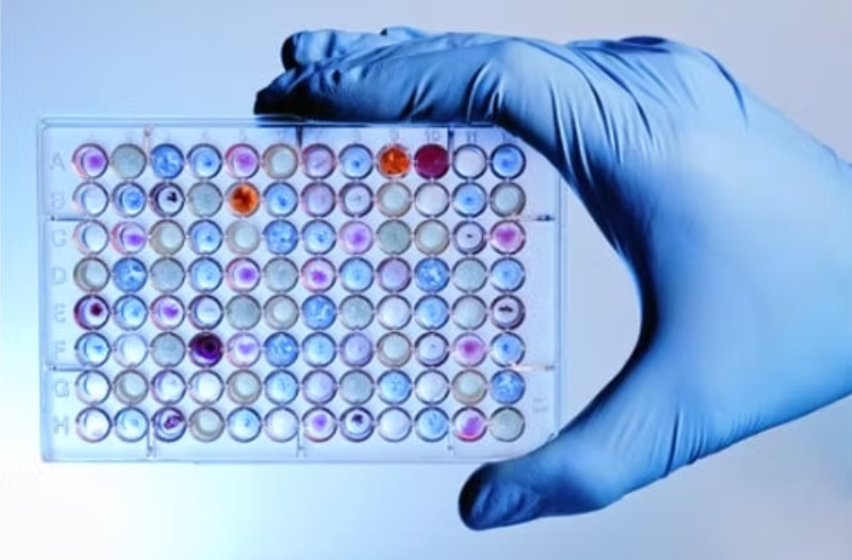
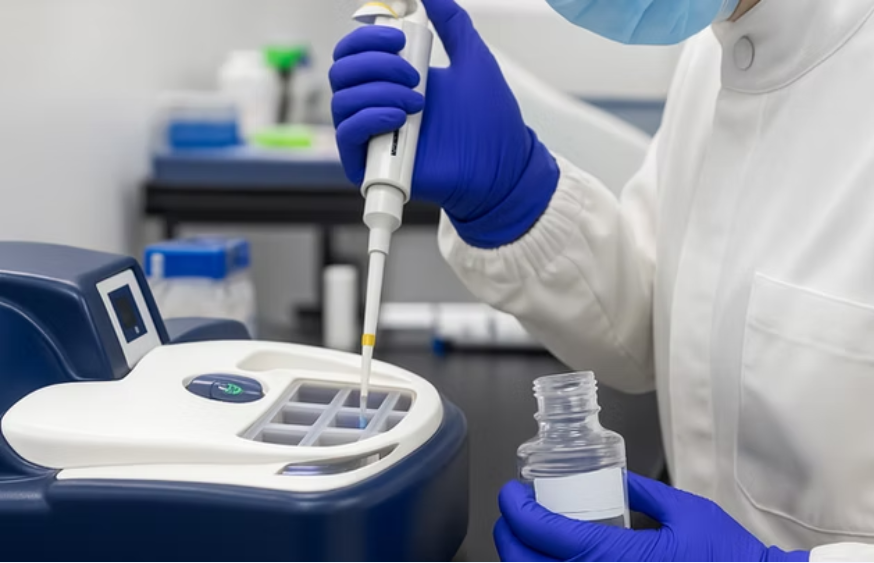
We use biochemical assays to validate our protein refolding. For example, inhibiting the intended targets means refolding has been perfect. To quote an example, for anti-coronavirus biologics, the inhibition of the 3-chymotrypsin like protease is a must against known benchmarks.
In vitro Cell Assays
We also use in vitro cell assays using either TCID50 or PFU reduction to determine if the refolded antiviral proteins can reduce virus titers as well a known benchmarks. To further validate, we can also use RT-PCR to chek viral titres.
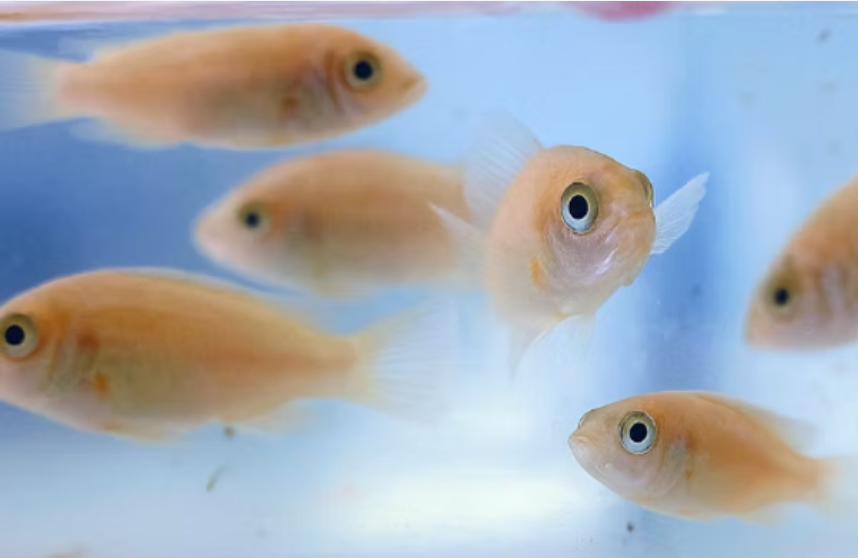
In vivo Animal Models
We also use a Tilapia fish model that has been infected with TiLV or Tilapia Lake Virus to determine if any antiviral protein produced by our novel bioprocess system can work in an in vivo system as animal models are much more convincing than cell assays.
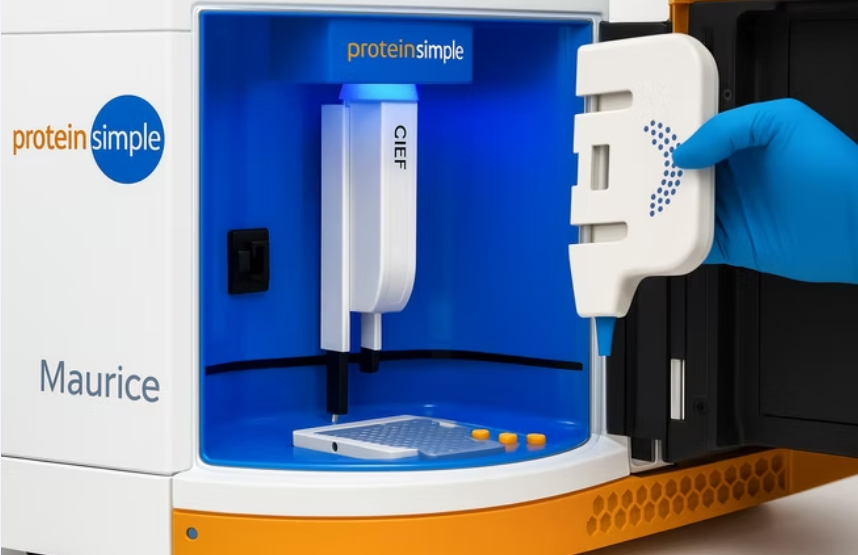
Capillary Electrophoresis
CE-SDS or capillary electrophoresis – sodium dodecyl sulphate has greater precision and reproducibility than HPLC (high performance liquid chromatography) in many cases. Thus, this system is quick and efficient for QA/QC as a robust technique that is well accepted under GMP conditions of manufacturing.
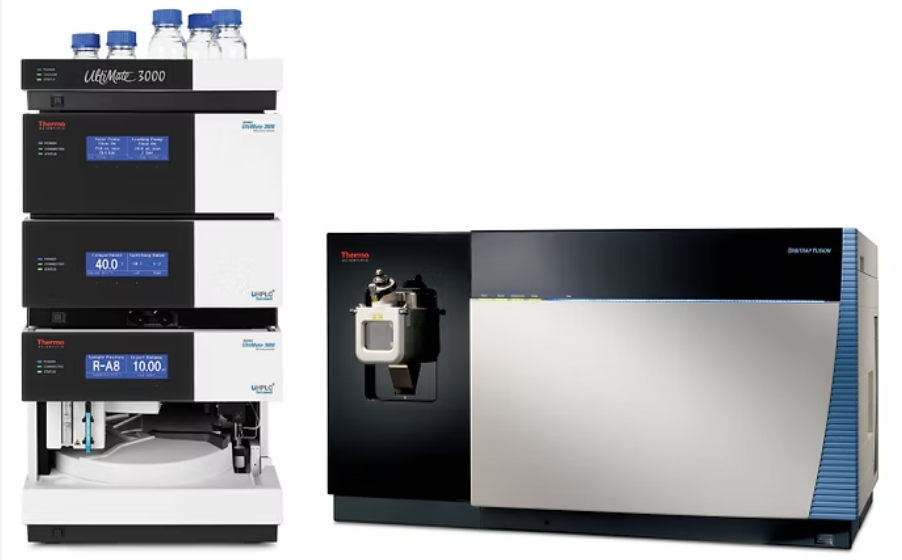
Liquid Chromatography with Tandem Mass Spectrometry
LC-MS-MS or Liquid Chromatography with tandem mass spectrometry is the highly sensitive “Gold-Standard” for determination of protein purity. After we complete our in-line QA/QC, the final product before release must pass this final stage of product validation.
Circular Dichroism
Circular Dichroism or CD is widely applied in the determination of the secondary structure of the target protein after it leaves our bioprocess system. It is a rapid method for final product release validation using right/ left circularly polarized light to complete our strict validation process of protein refolding.
Sterility, Bioburden and Bacterial Endotoxin Validation
Sterility, bioburden, and bacterial endotoxin validation are critical tests to ensure medical or pharmaceutical products are safe for use. Sterility confirms no living microbes are present, bioburden measures microbial load before sterilization, and endotoxin testing detects harmful bacterial toxins.